Generative Engine Optimization Services: How SaaS Teams Unlock Predictable Organic Pipeline In 2026
Organic funnel growth has changed. Search used to be about ranking pages: now it's about shaping how generative models surface and synthesize your product's expertise. For Series A–pre‑IPO SaaS companies that already know product-market fit but haven't cracked modern organic, generative engine optimization services are the lever that turns content investment into predictable, attributable pipeline. We'll explain why GEO matters now, how a GEO engagement actually drives pipeline (not vanity traffic), and the KPIs and timeframes you should expect when you work with a specialist AI-native agency like ours. More on the mechanics in our guide to generative search optimization.
Why Generative Engine Optimization Is The Missing Growth Lever For Series A–Pre‑IPO SaaS
The world that found vendors through search queries is fragmenting. Increasingly, buyers begin research inside AI assistants and multi‑source summaries rather than clicking ten blue links. For B2B SaaS in the Series A to pre‑IPO window, that shift exposes a gap: product teams optimized for conversion, marketing teams optimized for demand gen, few have optimized for how generative systems consume and assemble knowledge. That's exactly where generative engine optimization services (GEO) fit. For the full breakdown, see our guide to what is AEO.
GEO is not just an SEO rebrand. It's a discipline that treats your IP, docs, playbooks, feature pages, blog content, help center, as modular knowledge the engines will recombine. The tactical difference matters: instead of chasing high-volume head terms, we map high-intent knowledge paths (questions, use-case prompts, decision criteria) and ensure your content provides concise, verifiable signals generators rely on: clear definitions, structured data, canonical sources, and answer-first snippets. For the full breakdown, see our guide to what is rich snippet.
Why is this the missing lever for your stage? First, speed to value. Traditional domain authority gains can take 12–24 months. GEO focuses on immediate signal alignment that delivers presence inside assistants and summary-rich SERPs in weeks. Second, attribution clarity. Because generative answers change what a buyer sees at top-of-funnel, GEO ties content artifacts to downstream micro-conversions, trial starts, demo requests, product-qualified leads, so marketing can model pipeline impact. Third, defensibility. Once you own the authoritative knowledge graph for your use cases and integrate canonical content with structured schema and backlinks, you're harder to displace from assistant answers and short-form summaries. Worth pairing with fintech digital marketing agency for context.
We've seen companies like Final Round and OneSafe double their trial-to-demo conversions within six months after implementing a GEO program, without a dramatic increase in ad spend. That's because GEO shifts where and how buyers first encounter your value prop. For teams that tried SEO before and were disappointed by vanity metrics, GEO refocuses effort on the things that actually drive revenue: context, authority, and traceable action paths.
How A GEO Engagement Drives Pipeline: Process, KPIs, And Timeframes
A practical GEO engagement is a sequence of clear choices, not a grab bag of tactics. We structure engagements around seven levers tailored to where the company already is: keyword strategy (reframed as knowledge mapping), technical SEO, editorial content, programmatic SEO, authority building, AI visibility, and performance analytics. Here's how those levers map to a predictable pipeline outcome. For the full breakdown, see our guide to SERP meaning in SEO.
Phase 0, Rapid audit & priority map (Days 1–7)
- What we do: ship a strategic deliverable in seven days that highlights 12–18 knowledge paths with direct pipeline intent (e.g., "how to reduce time-to-value for X," "X vs Y: compliance impact").
- KPI: prioritized knowledge map, baseline traffic and MQL attribution, index of canonical assets.
Phase 1, Signal alignment & quick wins (Weeks 2–6)
- What we do: carry out structured data, tighten canonical signals, publish answer-first content and compact canonical pages designed for snippet extraction by assistants.
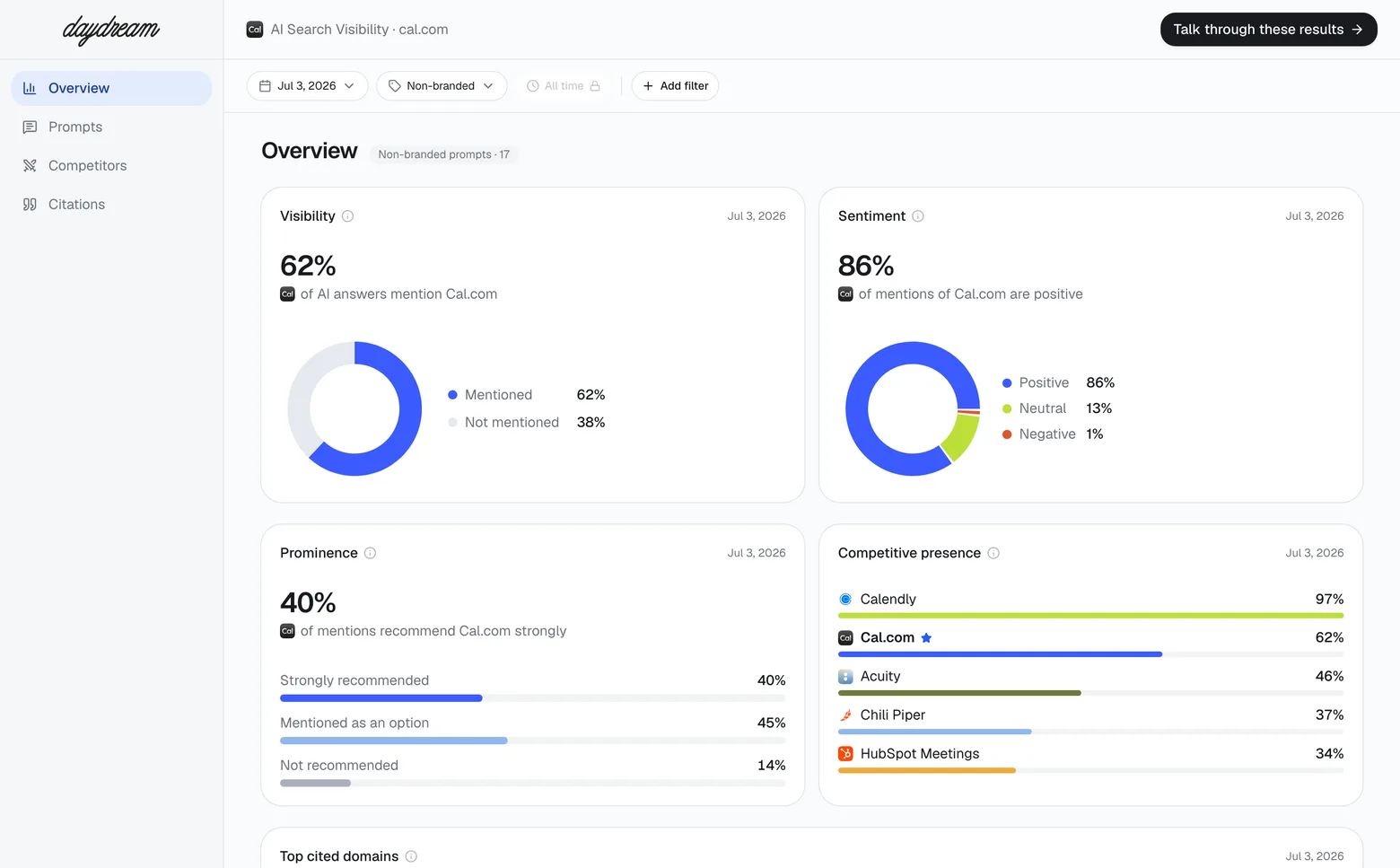
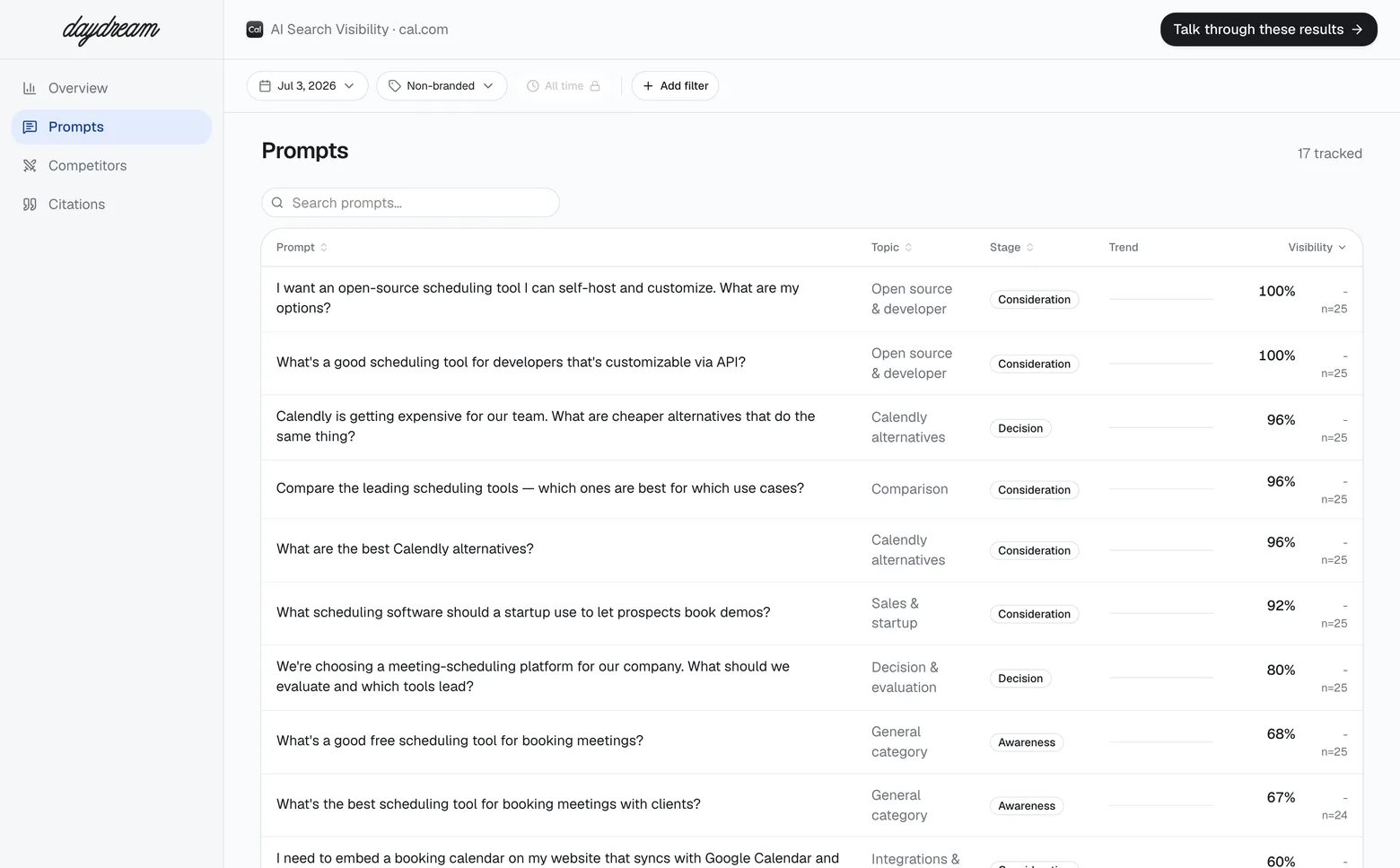
- KPI: impressions in answer features, organic visibility for target prompts, lift in useful micro-conversions (demo clicks, contact form starts).
- Timeframe expectation: measurable assistant impressions and snippet wins often appear within 4–6 weeks when the content and schema are correct.
Phase 2, Authority building & programmatic scale (Months 2–6)
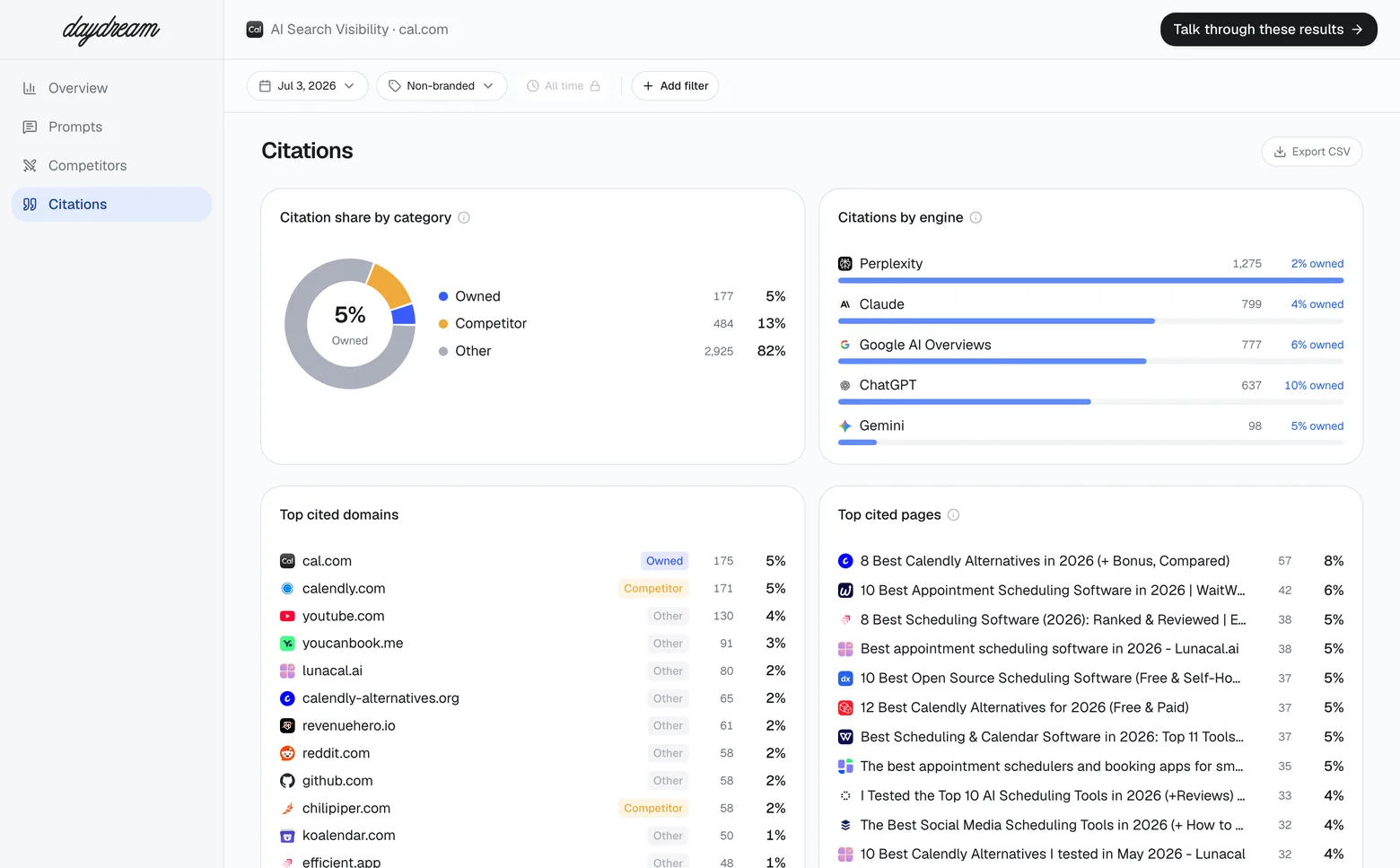
- What we do: deploy programmatic templates for multi-dimensional use cases, run targeted outreach to seed citations in industry sources, and publish playbooks that earn high-quality backlinks and co-citations.
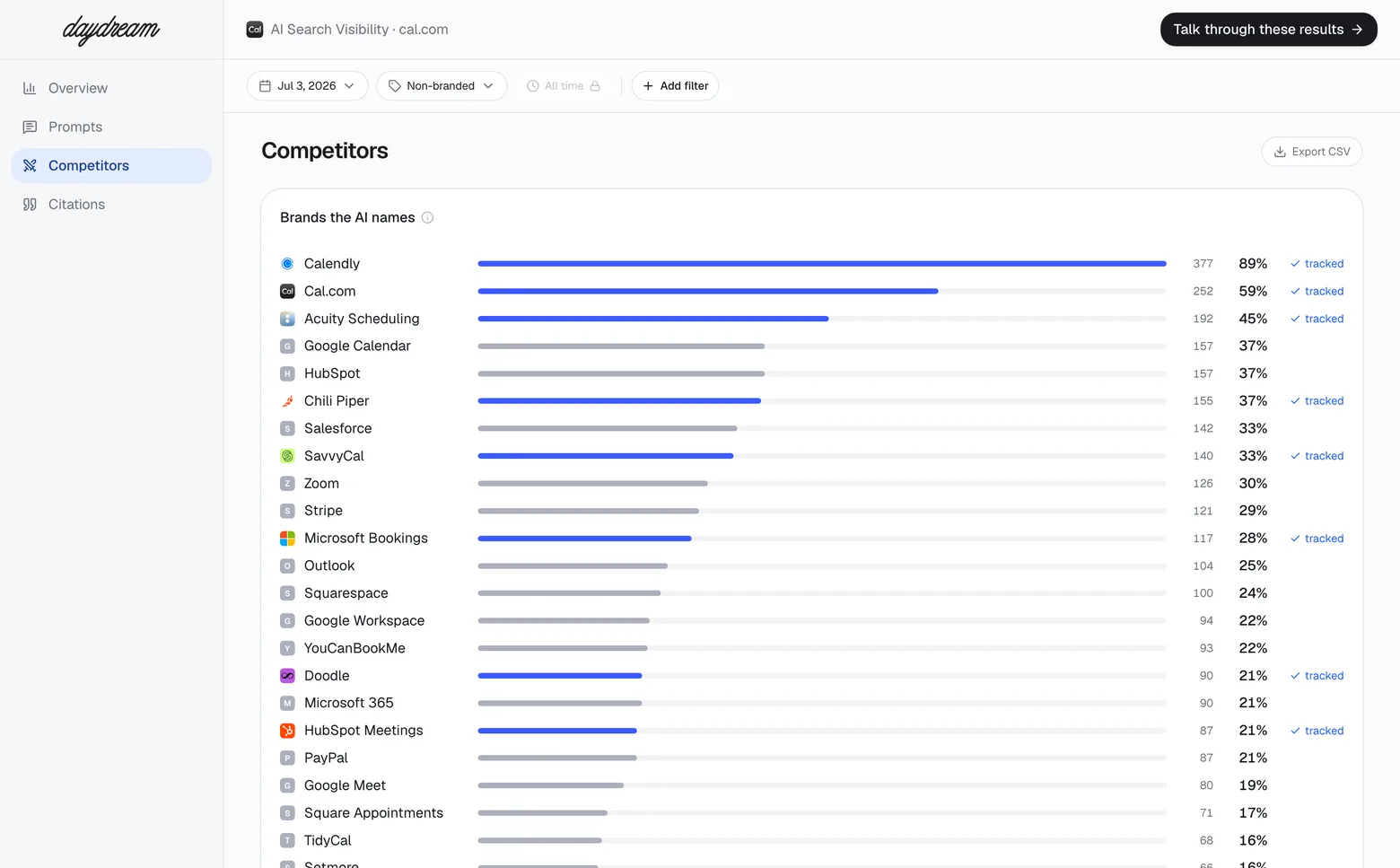
- KPI: share of voice in knowledge clusters, backlink quality score, conversion rate from assisted snippets to trials.
- Timeframe expectation: sustained pipeline lift becomes visible at month 3–6 as co-citations and backlinks compound.
Phase 3, Measurement, attribution, and optimization (Ongoing)
- What we do: link content artifacts to revenue events using a combination of first-party analytics, conversion funnels, and a lightweight attribution model that respects the longer sale cycles of B2B SaaS.
- KPI: percent of new MQLs attributable to GEO artifacts, LTV of GEO-sourced customers, time-to-demo from first assisted impression.
- Timeframe expectation: reliable attribution models and quarterly optimization cycles yield continuous improvement: we usually see clear ROI signals in 90 days and strong pipeline evidence by month 6.
Typical engagement metrics we track monthly
- Assisted-snippet share and click-throughs
- Trials or demo requests attributed to GEO assets
- MQL-to-SQL velocity for GEO-sourced leads
- Link authority growth for canonical assets
What success looks like in dollars
- For a $10M ARR PLG company, converting an additional 30–50 trials/month to paid at a 2–3% conversion uplift from GEO is meaningful pipeline within six months. We model scenarios like this upfront and align deliverables to the model, not vague promises.
Operational realities you should expect
- GEO requires product and docs access. We'll need subject experts and one product marketer to iterate on canonical pages. The fastest wins come when product, content, and demand-gen are coordinated.
- It isn't a one-time project. It's a program that turns knowledge artifacts into defensible search and assistant presence. But the front-loaded work yields disproportionate compound returns compared to endless, low-focus content production.
Conclusion
Generative engine optimization services are the practical next step for funded SaaS teams who want organic to drive predictable pipeline, not just traffic. We focus on knowledge-first content, rapid signal alignment, and rigorous attribution so marketing investments connect to measurable demo and trial lift. If you've tried SEO before and felt underwhelmed, GEO is not a rebrand, it's a different set of success metrics and a faster path to revenue. When you want a senior team that moves from audit to delivery in seven days and ties efforts to pipeline, that's where we help. For the full breakdown, see searcher intent for B2B.